Economical Senior Care Services: Supporting Peace of Mind and Security at Home
Affordable senior support services are important in helping the aging population. These options, featuring home-based care and community programs, allow seniors to remain self-sufficient while obtaining essential assistance. Families frequently face obstacles in picking the right form of care. Learning about the various services on offer and their implications can significantly influence an elderly individual's quality of life. Looking into important considerations in decision-making may reveal surprising discoveries. What elements should families prioritize to guarantee the best care?
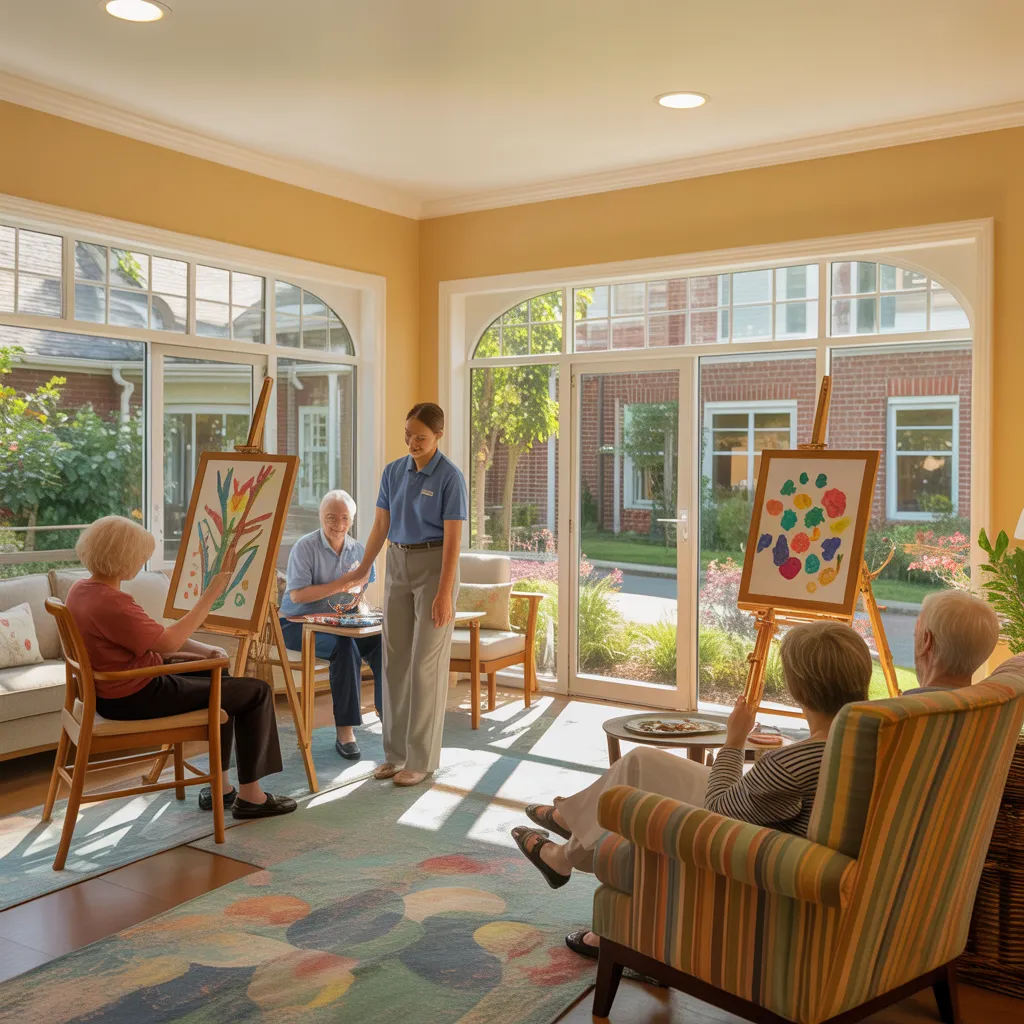
Range of Reasonably Priced Elderly Care Alternatives
Affordable elderly care services encompass a range of options tailored to meet the unique needs of older adults. These services typically include in-home care, which may involve support with daily activities such as bathing, meal preparation, and medication management. Another option is adult day care, providing a safe environment for seniors during the day, allowing caregivers respite while offering social interaction and activities for participants. Additionally, community-based services, such as transportation and meal delivery, enhance seniors' independence by helping them maintain a connection to their communities. Respite care is also available, giving family caregivers temporary relief while ensuring their loved ones receive necessary support. Finally, senior centers often offer programs that promote health, wellness, and social engagement, fostering a sense of belonging. These varied options allow families to choose the most suitable care solutions based on individual needs and financial considerations.
What's the Right Way to Select Between Home Care and Assisted Living?
When deciding on the best care plan for an older loved one, how does one assess the benefits of home care versus assisted living? Home care enables seniors to stay in a known environment, enhancing comfort and emotional well-being. Caregivers give individualized care, covering companionship and medical help, matched to personal requirements. Often, this option enhances independence, enabling seniors to continue their daily habits.
On the other hand, assisted living facilities provide extensive offerings, including meals, social activities, and 24/7 oversight. This atmosphere supports social interaction and engagement, which can be beneficial for mental health.
In conclusion, the decision is contingent on the senior's health status, measure of autonomy, and personal preferences. Families should appraise the severity of care required, economic consequences, and the senior's inclination toward community connection or domestic comfort. A thorough evaluation of these factors will direct families to the most appropriate choice for their family member's care requirements.
Main Benchmarks for Judging Excellence in Senior Care Programs
When analyzing elderly care facilities, several important factors emerge as signs of quality. Caregiver qualifications and training play a vital role in guaranteeing superior support, while robust safety protocols and procedures are critical for preserving a secure environment. Additionally, individualized care approaches can greatly enhance the well-being of seniors by tackling their specific requirements and choices.
Healthcare Provider Credentials And Education
Although the availability of compassionate caregivers is vital, their credentials and expertise significantly influence the quality of senior care services. Caregivers should possess appropriate qualifications and academic credentials in fields such as nursing, geriatric care, or social work. Educational initiatives that emphasize hands-on abilities, interpersonal skills, and compassion are critical for effective caregiving. Ongoing professional development ensures that care workers remain current on best practices and evolving needs of seniors. Verification screenings and recommendations further enhance trustworthiness, offering peace of mind to families. Ultimately, well-trained caregivers not only provide essential daily support but also foster a soothing atmosphere, promoting both physical and emotional well-being. Assessing these qualifications can greatly influence the total standard of support provided by seniors at home.
Security Protocols And Processes
How can households guarantee their family members are protected while receiving senior care? Establishing robust safety measures and guidelines is essential. This encompasses frequent safety assessments of the residential setting, confirming it is free from hazards like clutter or insufficient lighting. Caregivers should have set protocols for emergencies, including direct communication channels and readily available emergency contacts. Ongoing training programs for caregivers on safety procedures enhance their preparedness. Additionally, households should verify that elderly care providers adhere to local regulations and standards, which often include safety standards. Monitoring the execution of these protocols enables families ascertain that their family members receive assistance in a safe and secure setting, eventually advancing their well-being and peace of mind.
Individual Care Strategies
Personalized care plans are vital for ensuring that senior care services meet the unique needs of each person. These plans are tailored to address various aspects of a senior's life, including medical, emotional, and social needs. Assessment begins with a thorough evaluation by healthcare professionals, who consider medical history, current health status, and personal preferences. Effective communication between caregivers, family members, and the senior is crucial for developing a plan that fosters independence and enhances quality of life. Regular reviews and adjustments to the care plan confirm that it remains relevant as circumstances change. This proactive approach not only supports physical health but also encourages emotional well-being, ultimately leading to a more fulfilling and dignified life at home.
What are the Methods to Obtain Financial Aid for Caring for Seniors?
Acquiring financial assistance for senior care requires understanding the diverse options at your disposal. Public assistance programs, nonprofit groups, and policy options can significantly ease the financial load. Examining these alternatives is important to ensuring availability of quality care without excessive costs.
Government Assistance Programs
Numerous households confront the complex issue of paying for senior care, frequently using government assistance programs for aid. These programs provide critical financial aid to help offset the costs associated with in-home care, adult day care, and nursing facilities. Medicaid, Medicare, and Veterans Administration benefits present multiple forms of help according to eligibility requirements. To apply, families must go through local and state agencies and collect required documentation, such as income and asset details. Knowing the specific requirements of each program is key; certain programs cover defined services while others enforce income caps. Engaging with a financial advisor or senior care navigator can help families navigate this complex landscape, maximizing available resources for their loved ones’ care.
Provided Materials for Nonprofits
While exploring the challenges of elderly care budgeting, families often overlook valuable nonprofit resources that can extend major monetary assistance. Many nonprofits focus on assisting seniors and their families, offering awards, financial aid, and support programs personalized for specific requirements. Local nonprofits may provide funding for living space improvements, transportation, or in-home care assistance, lessening monetary pressures. Additionally, national organizations like the Area Agencies on Aging can connect families with community options, guaranteeing entry to critical help. Engaging with these nonprofits not only elevates care options but also unlocks opportunities to local services meant to enhance seniors' life satisfaction. Families are prompted to investigate and connect, as these resources can substantially ease the financial strain associated with senior care.
Insurance Alternatives Broken Down
Navigating the landscape of senior care funding often complete article directs households to evaluate multiple coverage choices that can provide essential monetary assistance. Extended care coverage is a key choice, encompassing services like home-based assistance and supportive housing. Families may also research Medicare, which offers limited coverage for professional care and domestic healthcare, but typically does not cover long-term care. Medicaid, on the other hand, can be an important resource for economically disadvantaged seniors, delivering extensive support for those who qualify. Additionally, some life insurance policies may offer living benefits or expedited payout options for extended care costs. Understanding these options enables households to make educated choices, ensuring that their loved ones receive the necessary care without undue financial strain.
Methods to Unlock Community Resources for Inexpensive Senior Care
Numerous assistance networks are available to help families secure affordable senior care alternatives. Local public programs often provide aid via subsidized services, such as meal transportation support and transportation. Area Agencies on Aging function as important information hubs, connecting families with accessible support systems and assistance programs customized for seniors' needs.
Nonprofit entities regularly offer initiatives that can reduce the economic strain of medical care, such as volunteer companionship and home maintenance help. In addition, faith-based groups may offer programs or funding to enable older adults continue in their dwellings.
Families can also look into senior centers that often run activities, workshops, and resources for caregivers, increasing social support. Sharing with other families through community forums can pinpoint undiscovered resources and shared experiences. By tapping into these community assets, families can greatly reduce the costs involved in senior care while enabling their loved ones get the support they need.
Creating a Seamless Shift for Your Aging Dear One
Making use of local support services can significantly simplify the procedure of adapting to new care arrangements for elderly family members. Local organizations often offer support services such as transit services, meal delivery, and social activities, which can enhance the standard of living. Creating a consistent schedule is essential; routine comfort can help alleviate anxiety during this change.
Involving the aging individual in choices regarding their care fosters a sense of control and respect. Encouraging transparent dialogue about their wants and requirements can also facilitate a smoother transition.
Additionally, creating a pleasant and familiar atmosphere at home, enriched with personal belongings and photographs, can provide emotional assistance. Regular visits from family and friends can further boost their morale, making the transition appear less lonely. Through utilizing these strategies, families can help their family members in handling this major life transition with greater confidence and comfort.
Frequent Questions Posed Often
What Credentials Should Home Care Aides Demonstrate for Senior Care Services?
Caregivers for elder care services should demonstrate relevant certifications, experience in elderly care, robust communication abilities, empathy, and the skill to handle tasks such as medicine administration, assistance with personal cleanliness, and mobility support for clients.
In What Ways Can Families Supervise the Level of Care Provided at Home?
Families can track care quality by regularly communicating with caregivers, conducting home visits, watching engagement, and keeping comprehensive documentation of care provided. Feedback from elderly individuals can also offer important information into their general contentment and well-being.
How Can You Identify the Signals That a Senior Demands Greater Care?
Indications that a senior requires extra support include increased forgetfulness, challenges in daily routines, visible weight reduction, frequent falls, withdrawal from social interactions, and shifts in mood or behavior, suggesting a decline in their overall condition.
Can Advanced systems Helpful for Senior Care at Home?
Technology may considerably help in home-based senior care by presenting distance tracking, medication reminders, and emergency response systems. Such solutions fortify security, encourage independence, and permit caregivers to deliver urgent help when called for.
What Crucial Paperwork Must Relatives Put in Place for Elder Care Decisions?
Families ought to draft crucial paperwork such as durable power of attorney, healthcare proxy, living wills, and guardianship papers. These documents ensure sound decision-making and protect seniors' preferences and rights in healthcare management.